
Safe Driving Tips for Young & New Drivers
Learning to drive is exciting — but new drivers have higher crash risk because of inexperience and distractions. This page covers the most common mistakes new drivers make, how to prevent them, and Virginia teen driving restrictions.
The #1 Risk for New Drivers
Distracted Driving
Distractions are one of the biggest dangers for teen and new drivers — especially phones, passengers, music/GPS adjustments, eating, or anything that takes your eyes and mind off the road. NHTSA lists distracted driving among the major dangers for teen drivers.
Quick rules:
Phone away (Do Not Disturb / driving mode)
Set GPS + music before you move
If you must handle something: pull over
Helpful links:
Common Mistakes New Drivers Make (and how to fix them)
Following Too Close (Tailgating)
Fix: Use the 3-second rule (add more space in rain/night).
Overcorrection
Fix: Ease off gas → steady steering → gently return to lane/road.
Speeding
Speeding is a major factor in teen fatal crashes (NHTSA reports speeding was a factor in a significant share of fatal crashes involving teen drivers in 2023).
Fix: Leave early, stay patient, drive for conditions
Poor Lane Changes (Blind Spots)
Fix: Signal → mirrors → over-the-shoulder → change smoothly.
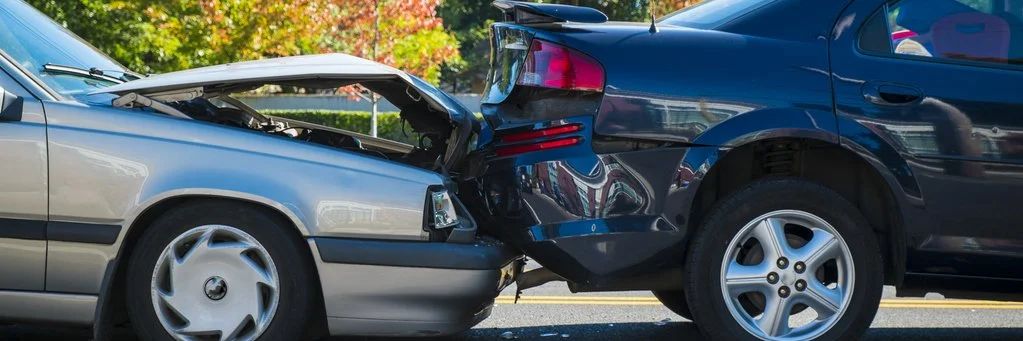
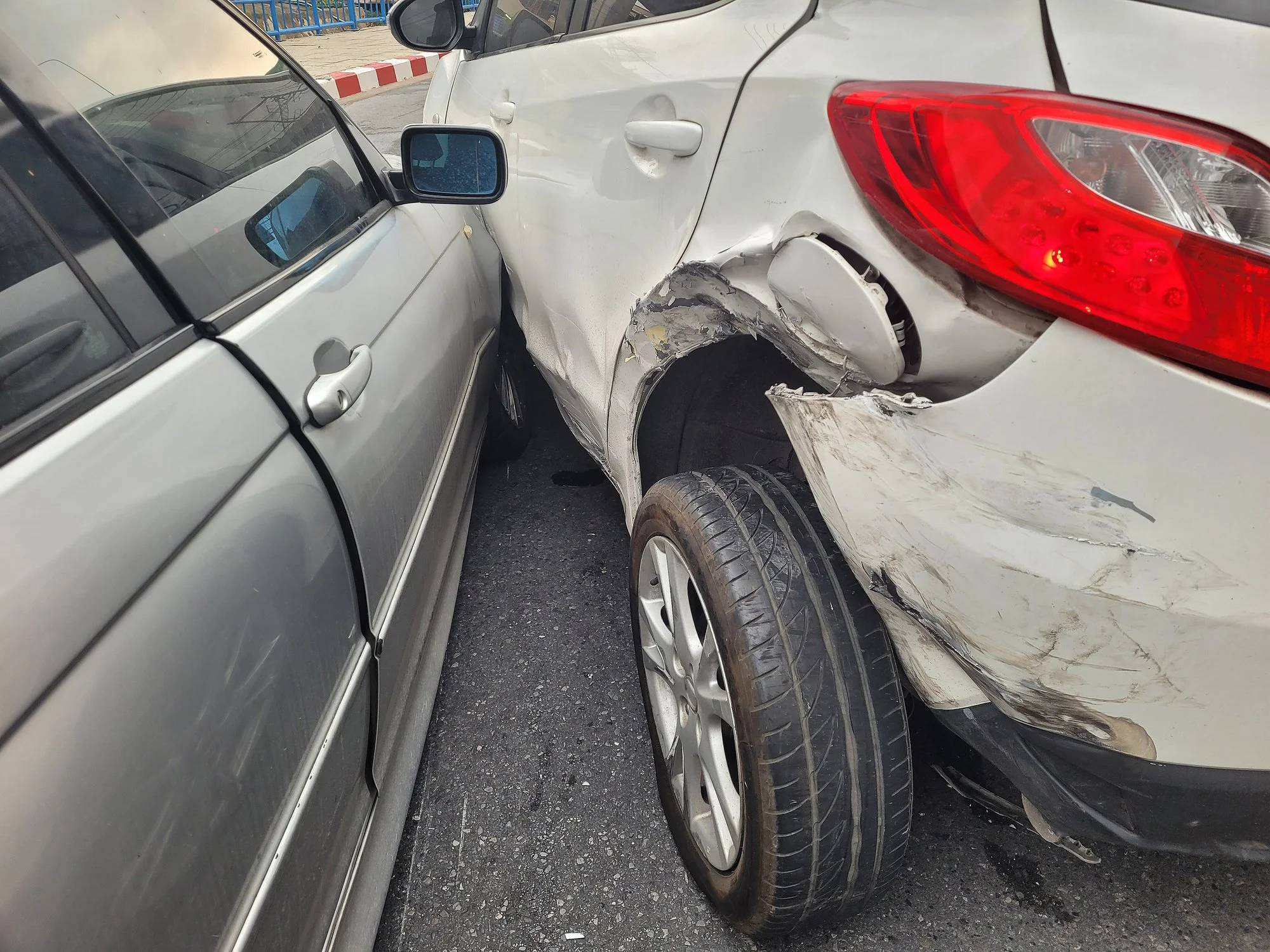
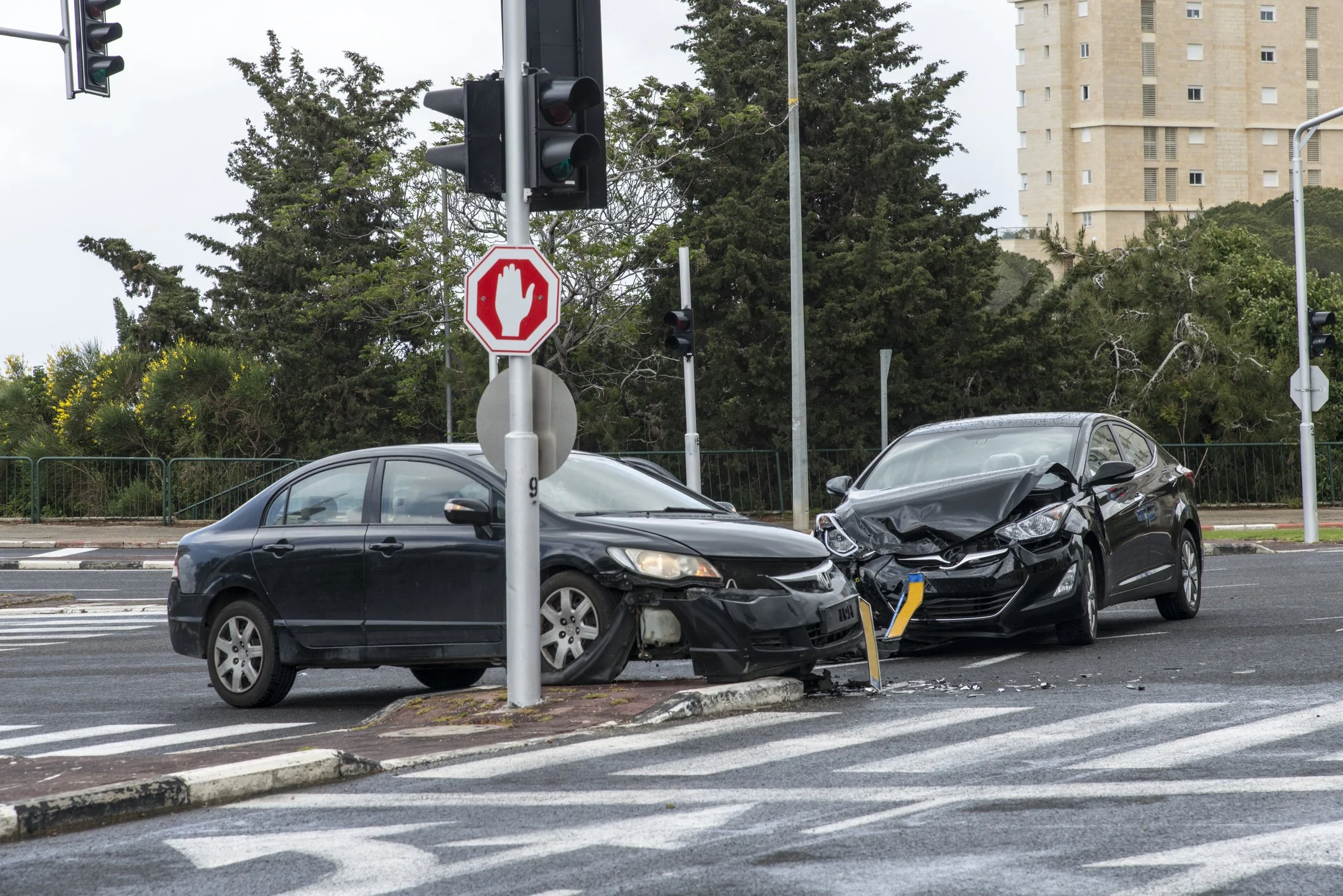
Failure to Yield / Intersection Errors
Fix: Slow at intersections, double-check left-right-left, don’t rush gaps.
High-Risk Situations for Teens
Night driving is especially dangerous for teens; CDC notes teen fatal crash rates at night are much higher than adults per mile driven.
Passengers increase crash risk for teen drivers (IIHS).
Safety tips:
Limit passengers early on
Avoid late-night driving when possible
Practice in low-traffic areas before busy roads
Virginia Teen Driving Restrictions (Quick Summary)
Virginia has restrictions for drivers under 18, including curfew limits, number of passengers , cell phone use and more.
Helpful links:
Virginia DMV Teen Driving Restrictions
Virginia DMV Teen FAQ
Parent Tips
Parents: You have more influence on your teen than you may think. Be a good example and get involved in their driving habits from the beginning, and stay involved for the duration of their teen years set rules, practice time, no-phone policy, passenger limits, and consistent expectations. Visit here NHTSA for more information on how to help.